Dental Emergency for Seniors: Unique Risks and Solutions
A dental emergency looks different at 75 than it does at 25. The pain may be similar, the bleeding just as alarming, but the risks around it are not the same. Older adults are more likely to have brittle teeth, extensive dental work, dry mouth from medications, thinner oral tissues, slower healing, and chronic medical conditions that complicate even routine treatment. Add hearing loss, mobility limits, transportation problems, blood thinners, or memory issues, and what might have been a straightforward urgent dental visit turns into a more complicated event.
That complexity is exactly why senior dental emergencies deserve their own discussion. I have seen seemingly minor problems, a loose denture rubbing a sore spot, a chipped tooth after biting toast, a day of gum swelling dismissed as “just irritation”, turn serious because the person involved was trying to manage not just pain, but diabetes, heart medication, a limited caregiver schedule, and the fear of needing a hospital visit. Good care starts with recognizing that the emergency is not only in the mouth. It is also in the surrounding health picture.
Why seniors face different dental emergencies
Age itself does not cause oral crises, but the conditions that accumulate with age often set the stage. Teeth that have been filled, crowned, root canal treated, or worn down over decades are structurally more vulnerable. A younger person may crack Dental Emergency vitalitydentaldfw.com a healthy molar only after a significant blow. An older adult may fracture a heavily restored tooth while chewing a crusty roll.
Dry mouth is one of the biggest hidden drivers. Many common medications, including blood pressure drugs, antidepressants, antihistamines, bladder medications, and some Parkinson’s treatments, reduce saliva flow. Saliva matters more than most people realize. It helps buffer acids, rinse away food debris, and protect soft tissues. When it is lacking, cavities can spread quickly, especially around old fillings and exposed roots. A senior may go from mild sensitivity to a true dental emergency, with pulp inflammation or infection, in a surprisingly short time.
Gum recession adds another layer. As gums recede, root surfaces become exposed. Root surfaces are softer than enamel and decay faster. They also become sensitive and prone to notching or wear. A cavity on the root can progress under the gumline, where it is harder to detect and harder to restore.
Bone changes, ill fitting dentures, and reduced tissue resilience also matter. Oral tissues in older adults can be more delicate. A sore caused by a denture flange or a broken clasp may ulcerate quickly. If the person is malnourished, immunocompromised, or living with poorly controlled diabetes, that ulcer may linger, become infected, or make eating so difficult that the person weakens further.
Then there is the issue of falls. Falls are common in older adults, and facial injuries are common after falls. A chipped front tooth may be obvious, but the less visible consequences are often more important: a loosened tooth, jaw injury, denture fracture, lip laceration, or aspiration risk if a crown or bridge fragment is swallowed.
The dental emergencies that show up most often in older adults
Some urgent dental problems are universal, but a few patterns appear again and again in senior care.
Severe toothache is high on the list. In older adults, the cause may be decay under an old crown, a cracked tooth, an abscess, or a failing root canal treated tooth. What complicates the picture is that seniors do not always describe pain in the classic way. Some report pressure, throbbing near the ear, pain only while lying down, or a general sense that one side of the face “doesn’t feel right.” Those descriptions deserve attention.
Swelling in the gums, cheek, or jaw is another major red flag. A small gum boil may indicate a draining abscess. Diffuse facial swelling can suggest a deeper infection. In older adults, dental infections can escalate fast, particularly when immunity is impaired. Swelling under the jaw, difficulty swallowing, fever, or changes in breathing require immediate medical attention.
Broken teeth and lost restorations are common because many seniors are functioning on decades old dental work. A crown can come off while eating. A bridge can loosen. A heavily filled tooth can split vertically. These problems are painful enough on their own, but they can also expose the nerve, create sharp edges that injure the tongue or cheek, and make eating impossible.
Denture emergencies are often underestimated. A fractured full denture, a lost partial denture clasp, or a pressure sore under a lower denture can leave a senior unable to chew, speak comfortably, or wear the appliance at all. For someone already eating a restricted diet, that can be a real health setback. I have seen older patients lose several pounds in two weeks simply because a broken denture made meals too frustrating.
Bleeding after extractions or spontaneous gum bleeding can also be urgent, especially in patients taking anticoagulants or antiplatelet drugs. Most post treatment bleeding can be controlled, but persistent oozing becomes more concerning when the patient is frail, anxious, or unable to follow instructions well.
When a dental emergency becomes a medical emergency
One of the most important judgment calls in senior care is deciding whether the person needs a dentist urgently, a physician the same day, or emergency medical services right away. Not every dental problem belongs in a hospital, but some definitely do.
These signs should raise the stakes immediately:
- swelling that affects swallowing, breathing, or the ability to open the mouth
- uncontrolled bleeding after pressure has been applied
- facial trauma after a fall, especially with confusion or suspected head injury
- fever, shaking chills, or sudden weakness along with oral pain or swelling
- a tooth, crown, or denture fragment that may have been inhaled
An older adult with dementia, stroke history, Parkinson’s disease, or frailty may not communicate distress clearly. Sometimes the first sign of a serious oral problem is refusal to eat, unusual agitation, pulling at the face, or a sudden change in behavior. Caregivers should treat those changes seriously, especially if the person cannot reliably explain what hurts.
The medication factor that changes everything
Medication review is not a side note in senior dental emergencies. It is central. Blood thinners can turn minor bleeding into a prolonged event. Drugs that suppress immunity can make infections more dangerous. Bisphosphonates and some cancer medications can affect bone healing and influence how a dentist manages extractions or jaw pain. Steroids can alter inflammation patterns and healing. Dry mouth caused by common prescription drugs can set the stage for the emergency in the first place.
Pain management also gets more complicated with age. A younger adult with a cracked molar may take an over the counter anti inflammatory and keep functioning until the appointment. A senior with kidney disease, stomach ulcers, heart failure, or anticoagulant therapy may not be a good candidate for the same medication. Even acetaminophen needs dose awareness in people with liver disease or low body weight.
This is one reason it helps when caregivers keep an up to date medication list in a wallet, purse, or phone. During an urgent visit, details are often forgotten. The dental team needs to know not only the drug names, but also why the person takes them.
Falls, fractures, and the fragile mouth
A lot of dental emergencies in seniors begin nowhere near the dental chair. They begin in the bathroom at night, on an icy walkway, or during a dizzy spell after standing too fast. A fall can shear off a front tooth, fracture a denture, bruise the jaw joint, or create a subtle crack that hurts only when chewing a day later.
The challenge is that trauma in seniors often comes bundled with other concerns. Was there a head injury? Was the fall caused by low blood sugar, dehydration, or a medication issue? Is there neck pain? If dentures were in place during the fall, were any pieces broken off and swallowed? This is why post fall dental symptoms should not be brushed aside as cosmetic. They can be part of a larger medical event.
Teeth in older adults may also respond to trauma differently. A tooth that looks merely chipped may actually be loosened because surrounding bone is less dense. A bruise around the mouth may hide a cut from a denture flange or a jaw injury. Radiographs are often needed even when the visible damage looks modest.
Dentures, implants, and oral appliances create their own emergencies
Traditional dental advice often centers on natural teeth, but many older adults rely on full dentures, partial dentures, implant overdentures, or fixed implant bridges. Each brings its own urgent problems.
A denture that suddenly does not fit may indicate weight loss, bone change, a sore spot, or a fracture. Patients often try home fixes, store bought liners, glue, or improvised padding. That can make matters worse. Household adhesives are not meant for oral tissues and can trap debris or chemicals against the gum. Even over the counter products designed for denture comfort can mask an ulcer that needs professional review.
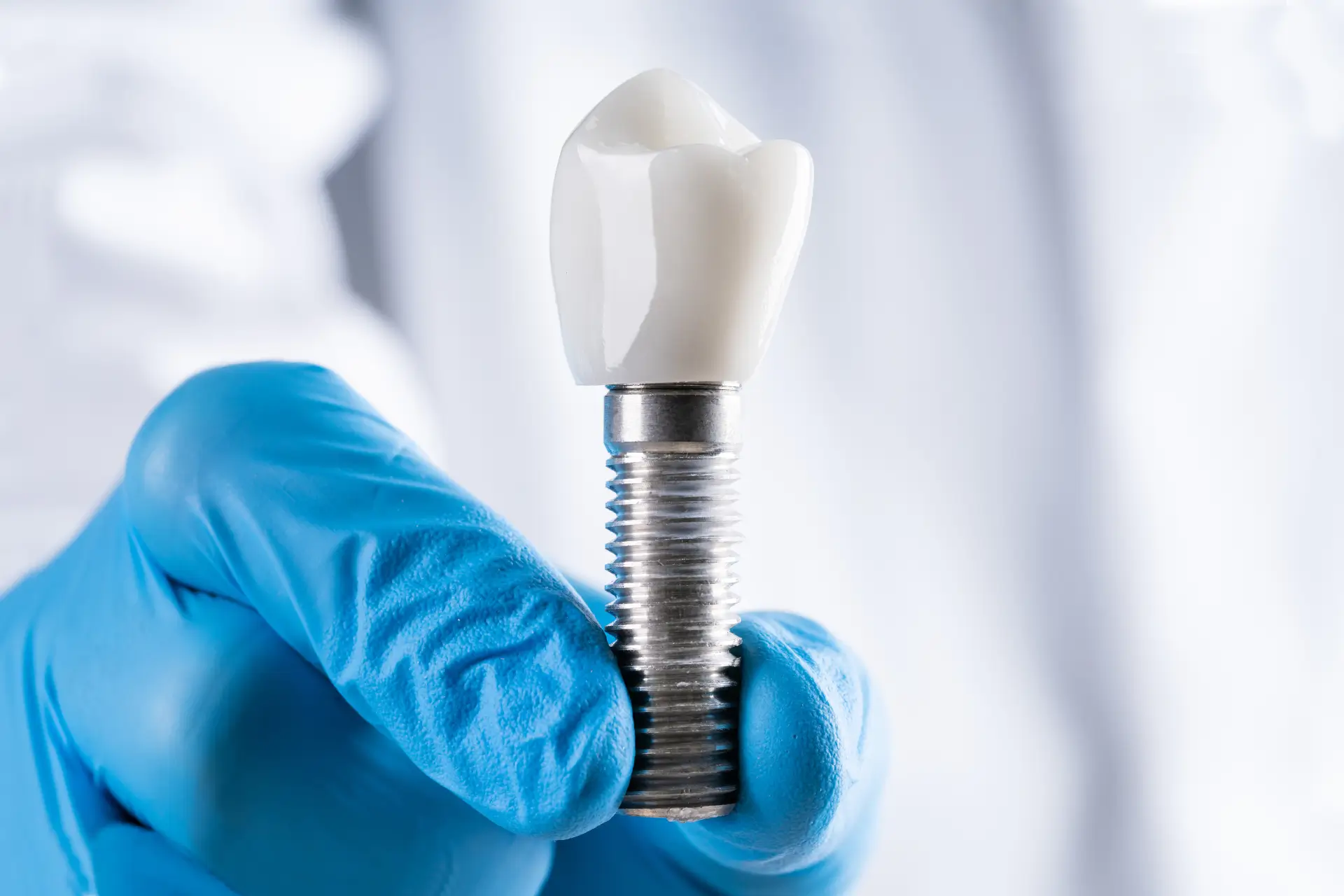
Implants can also produce emergencies, though usually in more nuanced ways. A patient may say, “My implant is loose,” when the implant itself is stable but the crown screw has loosened. That is usually fixable. On the other hand, pain, swelling, pus, or sudden mobility around an implant can point to peri implant infection or failure. Older adults with reduced dexterity may struggle to clean around implants well, which increases risk.
Sleep appliances, mouthguards, and partial denture clasps create another set of issues. A cracked acrylic edge can cut the tongue badly. A bent clasp can torque a tooth or make the appliance impossible to insert. These are not always life threatening, but they can be acutely painful and disabling.
What to do in the first few hours
A calm, practical response in the first few hours can reduce pain and prevent complications. The goal is not to solve the problem at home. It is to stabilize the situation and get the right care quickly.
- call the dentist early, explain age, symptoms, medications, and medical conditions clearly
- use a cold compress on the outside of the face for swelling or trauma, 10 to 15 minutes at a time
- for bleeding, place clean gauze and apply firm pressure, or use a damp tea bag if instructed
- keep any broken tooth, crown, bridge, or denture pieces and bring them to the visit
- avoid aspirin placed directly on the gum, home glues, and attempts to adjust appliances with tools
There are a few senior specific cautions worth adding. If the person has swallowing difficulties, avoid loose temporary materials in the mouth unless the dental office recommends them. If there is confusion or memory impairment, written instructions for the caregiver matter as much as verbal instructions for the patient. If transportation is a challenge, say that on the first phone call. Offices can often help prioritize timing if they understand the barriers.
The access problem no one likes to talk about
One reason senior dental emergencies become bigger than they should is simple access. Many older adults no longer drive. Some depend on family who work during the day. Others live in rural areas where urgent dental appointments are scarce. Residents of assisted living or nursing facilities face another layer of difficulty because transport must be arranged, paperwork may be needed, and the resident may not have a legal decision maker immediately available.
Cost is another quiet driver. A person on a fixed income may wait out pain because they fear the bill. By the time they seek help, a problem that might have been handled with a simple filling or adjustment now needs extraction, root canal treatment, or emergency denture repair. This is not poor judgment so much as forced triage.
The best workaround is planning before the emergency happens. Families should know which local dental offices see urgent cases, which accept the patient’s insurance or payment method, and whether the office can accommodate wheelchair users, oxygen, or cognitive impairment. A little groundwork saves hours when someone wakes up with a swollen face on a weekend.
Prevention that respects how seniors actually live
Prevention advice for seniors needs to be realistic. Telling an older adult with arthritis, tremor, or memory decline to “brush and floss better” is not useful. The right question is: what can this person comfortably do, every day, with the abilities and support they actually have?
For some, the answer is an electric toothbrush with a wider handle. For others, it is prescription high fluoride toothpaste used at bedtime. A patient with root decay and dry mouth may benefit more from salivary support, frequent water, and fluoride varnish than from perfect flossing technique. A partial denture wearer may need regular adjustment visits more than another lecture about taking it out at night.
Diet matters too, though here again nuance matters. Some older adults rely on frequent small meals, nutritional drinks, cough drops, or soft carbohydrate heavy foods because of swallowing problems or low appetite. That pattern can increase cavity risk. The solution is not to remove needed calories. It is to reduce constant sugar exposure where possible, use fluoride aggressively, and clean the mouth after supplements or medications that cling to the teeth.
Caregivers play a huge role. If a spouse, adult child, or aide notices a bad smell from the mouth, facial asymmetry, refusal to wear dentures, or food collecting on one side, those are useful early clues. Many serious dental emergencies begin as small signs someone noticed but did not realize mattered.
The emotional side of urgent dental care in older age
Fear is often underestimated in senior dental emergencies. Some older adults remember dentistry from decades ago and expect pain, noise, and loss of control. Others fear being told that all their remaining teeth must come out. A person with memory loss may become distressed simply by a change in routine. Someone with hearing impairment may miss half the explanation and agree to treatment without understanding it.
A professional approach means slowing down enough to preserve dignity. Sit the patient up if lying flat makes breathing difficult. Speak clearly and face them if they lip read. Ask about prior bad experiences. If a family member is present, involve them, but do not talk over the patient. In my experience, a five minute investment in communication often makes the treatment itself go more smoothly than rushing to “fix the tooth.”
Pain can also show up as exhaustion or withdrawal rather than complaint. Some seniors minimize symptoms because they do not want to bother anyone. Others have lived with chronic pain elsewhere in the body and rank tooth pain lower than they should. That stoicism can be admirable, but it is not always safe.
Practical solutions dentists often use for seniors
Not every emergency needs definitive treatment on the first day. In seniors especially, staged care is often the wisest choice. A dentist may drain an abscess, smooth a sharp tooth edge, re cement a crown temporarily, adjust a denture sore spot, prescribe or recommend appropriate pain control, and postpone the more extensive procedure until medical clearance, transportation, or caregiver support is in place.
That is not half doing the job. It is sound clinical judgment. An older adult on multiple medications who has not eaten well for two days may do better with pain relief and infection control first, then a longer restorative appointment after stabilization. A frail patient with limited mouth opening may tolerate shorter visits better. Someone with early dementia may manage one focused problem per appointment more successfully than a complicated, multi step plan under stress.
Mobile dentistry and teledentistry also have a place, though with limits. Remote triage can help determine urgency, identify signs that require an emergency room, and coach caregivers on temporary measures. Mobile services are especially valuable for homebound patients or those in long term care. Still, there is no substitute for hands on examination and imaging when a serious dental emergency is suspected.
Building an emergency plan before it is needed
The families who handle senior dental emergencies best are usually the ones who did a little planning during a quiet month instead of a crisis week. That does not require elaborate preparation. It means Dental Emergency having a current medication list, the dentist’s contact information, a backup transportation plan, and some understanding of the patient’s wishes and medical history.
It also means routine dental maintenance even when there are no symptoms. Regular exams catch failing restorations, root decay, sore spots under dentures, and implant issues before they become urgent. For seniors at high risk, those intervals may need to be shorter than the standard twice yearly pattern.
A dental emergency in later life is rarely just a cracked tooth or a sore gum. It is an event shaped by biology, medication, mobility, cognition, nutrition, and support systems. When those pieces are recognized early, the situation is usually manageable. When they are ignored, small oral problems can spill into much larger health problems very quickly.
The most effective solution is not panic or heroic home treatment. It is prompt evaluation, careful communication, and care that respects the realities of aging. Seniors do best when clinicians and families treat the mouth as part of the whole person, because in an emergency, it always is.
Vitality Dental
Address: 1220 Coit Rd #106, Plano, TX 75075
Phone number: +19726454100
FAQ About Dental Emergency
What can the ER do for a tooth?
An emergency room (ER) can manage pain and treat severe infections with medication, but it cannot fix or pull a tooth.
What is considered a dental emergency?
A dental emergency is any oral health problem that involves severe pain, uncontrollable bleeding, or an infection that threatens your health or requires immediate care to save a tooth.
Is there a 24-hour dental service in Plano, TX?
There is no physical dental clinic in Plano, Texas, that stays open with walk-in staff 24 hours a day, but several offices offer 24/7 phone support, late-night hours, or same-day emergency care.