Emergency Dentist Plano, TX: Preventing Minor Issues From Becoming Major
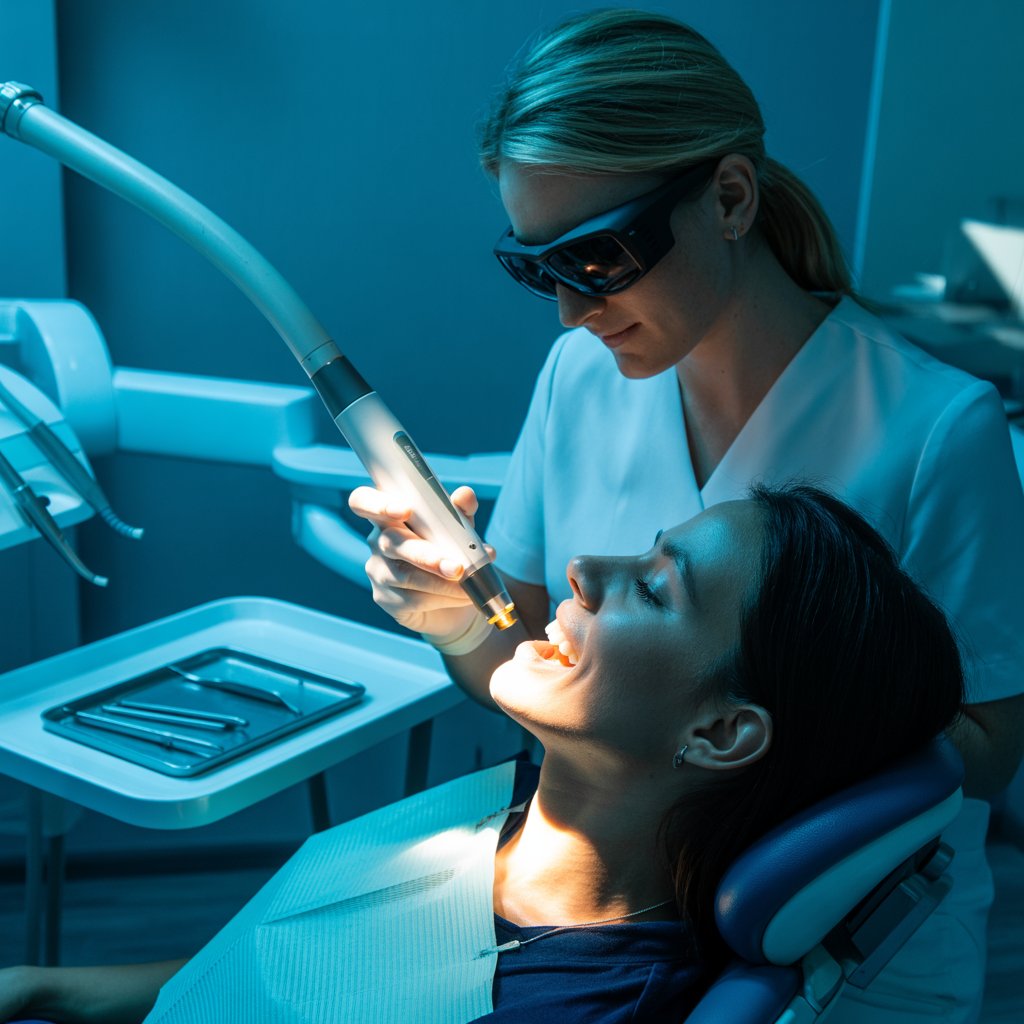
Dental Emergency dentist Plano, TX emergencies rarely begin as true emergencies. More often, they start as something easy to dismiss, a dull toothache after coffee, a chipped edge on a back molar, a gum that bleeds every time you floss one specific spot. People tend to wait because the pain comes and goes, work is busy, the calendar is packed, and it feels easier to hope the problem settles down on its own.
That gamble often gets expensive.
A small cavity can become a deep infection. A cracked filling can lead to a fractured tooth. Mild gum irritation can turn into swelling that affects chewing, sleep, and concentration. By the time someone starts searching for an emergency dentist Plano, TX, the issue has usually been building for days, weeks, or even months.
The encouraging part is this: many urgent dental problems can be prevented, or at least kept from becoming severe, when they are handled early. Knowing what deserves prompt attention, what can wait a day or two, and what should send you to a dentist immediately can save pain, time, and often a significant amount of money.
Why small dental problems escalate so quickly
Teeth do not heal the way skin does. If you nick your hand, the body starts repairing the tissue almost immediately. A tooth does not regenerate enamel after it is damaged, and it does not reseal a crack once one has formed. That difference matters.
When enamel is compromised, bacteria gain access to the softer inner layers of the tooth. At first, the change may only produce sensitivity to cold drinks or sweets. Left untreated, decay moves deeper, often toward the pulp where the nerve and blood supply live. Once that tissue becomes inflamed or infected, the discomfort usually intensifies, and treatment becomes more complex.
The same pattern applies to restorations. A loose crown may still let you chew for a few days, but each bite risks shifting the fit, exposing the underlying tooth, or trapping bacteria along the margins. A tiny fracture line may seem harmless until one hard pretzel or one nighttime clenching episode turns it into a split that cannot be restored.
I have seen this progression play out in predictable ways. Someone notices mild soreness on a Tuesday and decides to monitor it. By Friday, they are avoiding one side of the mouth. Over the weekend, swelling appears. Monday morning becomes an urgent call instead of a simple repair. Dentistry rewards early attention more than almost any other area of routine healthcare.
What counts as a dental emergency
Not every dental problem needs same-hour treatment, but some do require prompt evaluation. Pain intensity alone is not the only factor. A tooth can be in serious trouble before the pain becomes dramatic, especially if a nerve is dying or an infection is beginning to drain.
A true urgent situation usually involves one of a few patterns: persistent or worsening pain, swelling, trauma, active bleeding, a knocked-out tooth, or a broken restoration that leaves the tooth vulnerable. Difficulty swallowing, fever, facial swelling, or trouble opening the mouth comfortably raise the level of concern quickly because they may signal a spreading infection.
There is also a middle category that people misunderstand. A chipped tooth with no pain, for example, might not feel urgent. Yet if the chip is sharp, deep, or on a front tooth that changes your bite, waiting can create new damage. A lost filling may not hurt the same day it falls out, but exposed dentin tends to become sensitive fast, and food packing into the area can accelerate decay.
In practical terms, if the problem is interfering with sleep, chewing, work, or your ability to ignore it, it deserves a call. A reputable emergency dentist Plano, TX office will help triage the situation and tell you whether you should come in immediately or schedule the next available urgent visit.
The problems patients most often underestimate
People are generally good at recognizing major trauma. If a tooth is knocked out during a softball game, most adults understand that they need help right away. The trouble comes from the quieter issues.
One common example is temperature sensitivity that lingers. Brief discomfort with ice water can come from exposed root surfaces or minor wear, but if that sensation hangs on for several seconds after the cold is gone, it often points to deeper inflammation. Another underappreciated sign is pain when releasing a bite. Many patients describe this as a quick zing when they stop chewing. Clinically, it can suggest a crack.
Bleeding gums are also widely normalized. Occasional bleeding after a long lapse in flossing is not unusual, but repeated bleeding from the same area, especially with swelling or a bad taste, may indicate a localized infection or trapped debris around a crown, implant, or deep pocket. Gum disease does not always produce dramatic pain early on. That is part of why it advances so quietly.
Then there is jaw pain. Some cases do stem from clenching, grinding, or sinus pressure, but jaw soreness combined with one tender tooth, a recent filling that feels high, or sudden difficulty chewing should not be dismissed casually. Bite problems can inflame the ligament around a tooth and create a surprising amount of discomfort even when the tooth itself is structurally intact.
Common scenarios that turn urgent fast
The speed of escalation varies, but certain situations deserve more respect than they usually get. If you have any of the following, waiting is rarely the wise move:
- A toothache that wakes you up, throbs, or keeps returning despite pain relievers.
- Swelling in the gums, cheek, or jaw, even if the pain is only moderate.
- A cracked, broken, or loose tooth after biting something hard or taking a hit.
- A lost crown or filling when the exposed tooth is sensitive or sharp.
- A knocked-out or partially displaced tooth after trauma.
This list is short because the principle is simple: symptoms that are getting worse, not better, tend to keep moving in the wrong direction.
A simple cavity versus a root canal, the difference timing makes
One of the clearest examples of preventive urgency is the ordinary cavity. Early decay may require a filling that takes under an hour. When the decay reaches the nerve, the tooth may need root canal therapy and a crown. If the tooth structure becomes too compromised, extraction enters the conversation.
That progression is not always linear or slow. I have seen patients go from occasional sweet sensitivity to severe night pain within a few weeks. The turning point often comes when decay slips through a thin area of remaining dentin and the pulp reacts. Once that happens, the body cannot reverse the damage with better brushing or mouthwash.
Treatment costs rise accordingly, but so does the burden on the patient. A filling is an inconvenience. A root canal on a painful, infected tooth can mean missed work, trouble eating for days, and more than one appointment depending on the case. If you want a practical reason not to postpone a minor issue, this is it. Delay changes not just the diagnosis, but the entire experience.
Dental infections do not stay politely contained
Many people think of an abscess as simply a sore tooth with a little swelling nearby. That picture is too gentle. Infections in the mouth can spread through soft tissue spaces and place stress on the immune system. Most localized dental infections remain manageable when treated promptly, but they should never be treated casually.
The early signs can be subtle. Tenderness to biting, a pimple-like bump on the gum, a foul taste that comes and goes, or swelling that is worse in the morning all deserve attention. When symptoms progress to visible facial swelling, fever, or a feeling of pressure beneath the jaw or near the eye, the stakes are higher. At that point, treatment may involve drainage, antibiotics when indicated, and prompt definitive care on the tooth itself.
Antibiotics alone are not a complete dental solution. That point is worth emphasizing because many patients hope medication will buy indefinite time. It rarely does. If the source of infection remains, symptoms often return once the medication is finished. The actual problem, whether it is a dead nerve, a fractured tooth, or deep periodontal involvement, still has to be addressed.
Trauma, chips, and cracks, when “it doesn’t hurt” is misleading
A front tooth that chips slightly and does not hurt may still be straightforward to repair with bonding. The danger lies in assuming every chip is cosmetic. Teeth can fracture in patterns that are not visible without an exam and X-rays. A small missing corner may be the visible tip of a crack that travels deeper toward the root.
Back teeth are especially deceptive. Molars take heavy force, and crack lines often hide along grooves or under fillings. Patients commonly report that the tooth felt “off” for a while before it broke more dramatically. Sometimes the first clue is not pain but a change in bite, a sharp edge against the tongue, or food repeatedly getting stuck in one spot.
Even sports injuries that seem minor deserve follow-up. A hit to the mouth can bruise the ligament around a tooth without displacing it right away. The tooth may look normal initially, then darken over time if the pulp has been damaged. Fast evaluation improves the odds of preserving the tooth and catching complications before they become obvious.
How to respond in the first few hours
The window after a dental problem starts can shape the outcome. Calm, sensible first steps help, but they are not substitutes for care.
If a crown falls off, keep it and avoid chewing on that side. If a tooth is chipped, save any fragments if possible and rinse your mouth gently. If swelling begins, a cold compress on the outside of the face can reduce discomfort. Saltwater rinses may soothe irritated tissue, though they will not fix a structural problem. Over-the-counter pain medication can help many adults, provided it is taken as directed and is medically appropriate for them.
What people should avoid is just as important. Do not place aspirin directly on the gums, it can burn tissue. Do not keep testing a painful tooth by biting on it over and over. Do not try to glue a restoration back with household adhesive. And if a permanent tooth is knocked out, time matters enough that this becomes one of the few true race-against-the-clock dental situations. Handle the tooth by the crown, not the root, rinse it briefly if dirty, and seek immediate care.
Here is the most useful short-term guide:
- Call a dental office promptly and describe the symptoms clearly, including swelling, trauma, fever, or trouble swallowing.
- Protect the area by chewing on the opposite side and avoiding very hot, cold, or hard foods.
- Use cold compresses and appropriate over-the-counter pain relief if needed.
- Save any broken pieces, crowns, or the whole tooth if it has been knocked out.
- Go to urgent medical care or an emergency room if swelling affects breathing, swallowing, or the eye area.
That last point matters. A dental emergency is still a medical issue when it threatens the airway or spreads beyond the immediate tooth area.
Plano patients often face one predictable obstacle, busy schedules
In a place like Plano, many adults juggle demanding jobs, school pickups, travel, and family responsibilities. Dental symptoms are easy to rank below everything else, especially when they flare up only at night or settle after ibuprofen. The pattern is familiar. Someone delays because they cannot spare two hours on a Thursday, then loses a full day or more the following week when the pain becomes unmanageable.
This is where having a relationship with a local office helps. An established patient usually gets triaged faster because the team knows their history, medications, prior restorations, and risk factors. Even if you have never needed urgent treatment before, knowing where you would call matters. Searching for an emergency dentist Plano, TX while holding an ice pack to your face is not ideal decision-making time.
The best offices do more than fill emergency slots. They identify why the issue happened. Was that cracked tooth weakened by an old large filling? Was the gum infection fueled by an area that traps food under a bridge? Did repeated breakage point to nighttime grinding that needs a guard? Resolving the immediate pain is only half the job. Preventing the repeat event is the more valuable half.
Prevention is not glamorous, but it works
Most emergency visits are not random bad luck. There is usually a backstory. Old restorations wear out. Small cavities go unchecked. Clenching fractures enamel. Dry mouth from medications raises decay risk. Delayed cleanings allow gum disease to deepen unnoticed.
Regular exams matter because many urgent problems are visible before they become painful. Dentists often spot cracked filling margins, early recurrent decay, bite wear, or localized gum inflammation long before patients feel anything notable. X-rays reveal changes between teeth and below the surface. That surveillance is not busywork. It is what keeps treatment small.
Prevention also gets specific. A patient with frequent fractures may need a night guard and a bite adjustment. Someone with high cavity risk may benefit from prescription-strength fluoride, more frequent hygiene visits, or a review of dietary acid exposure. A teenager in sports may avoid major trauma with a properly fitted mouthguard. A patient with chronic dry mouth may need targeted strategies rather than generic advice to “drink more water.”
When these risk factors are addressed early, dental emergencies become less dramatic and less frequent.
What to expect during an emergency dental visit
Patients often wait because they imagine an emergency appointment will automatically mean a major procedure that day. Sometimes it does, but often the first goal is diagnosis and stabilization.
A typical urgent visit includes a focused exam, X-rays when needed, testing to identify which tooth is involved, and a discussion of immediate versus definitive treatment. In some cases, the dentist can complete the repair right away, such as replacing a filling, smoothing a sharp fracture, or recementing a crown if the fit remains sound. In other situations, temporary relief is the priority, reducing pressure, placing a sedative dressing, adjusting a bite, prescribing medication when appropriate, or planning the next step once swelling subsides.
That staged approach is not a sign of incomplete care. It is good judgment. A badly inflamed tooth may need symptoms calmed before a more involved procedure. A fracture may require close evaluation to determine whether the tooth is restorable. The right dentist explains those trade-offs clearly and does not oversell certainty where the tooth still needs time or testing.
The practical takeaway
Minor dental issues have a habit of becoming major at the worst possible time. The crack spreads on a weekend. The pain spikes before a business trip. The swelling appears the day before a family event. That is why prompt attention matters more than perfect scheduling.
If something in your mouth feels different for more than a day or two, if a tooth hurts in a way that is new or persistent, or if swelling appears at all, treat it as useful information rather than an inconvenience. Early care is usually simpler, less invasive, and easier on both your budget and your calendar.
For anyone looking for an emergency dentist Plano, TX, the goal should not be just finding relief once things are already severe. The better strategy is acting while the problem is still small enough to control. Dentistry is one of those areas where timing changes everything.
Vitality Dental
1220 Coit Rd # 106, Plano, TX 75075, United States
+1 972-645-4100
FAQ About Emergency dentist Plano, TX
Will the ER do anything for dental pain?
An emergency department can assess urgent symptoms and provide medical stabilization. Definitive treatment of the tooth usually requires a dentist. Seek emergency medical care for breathing or swallowing difficulty, uncontrolled bleeding, or serious facial injury.
What to do if I have a dental emergency in the middle of the night?
Contact a dentist or after-hours dental service promptly for guidance. If a permanent tooth is knocked out, keep it moist in milk while seeking immediate care. If symptoms suggest a medical emergency, go to an emergency department.
What qualifies as a dental emergency?
A knocked-out permanent tooth, severe or persistent tooth pain, a significant dental injury, or swelling may require urgent dental assessment. Call a dentist to describe the symptoms and determine timing. Uncontrolled bleeding or difficulty breathing or swallowing requires emergency medical care.