How to Choose a Reliable Emergency Dentist in Plano, TX
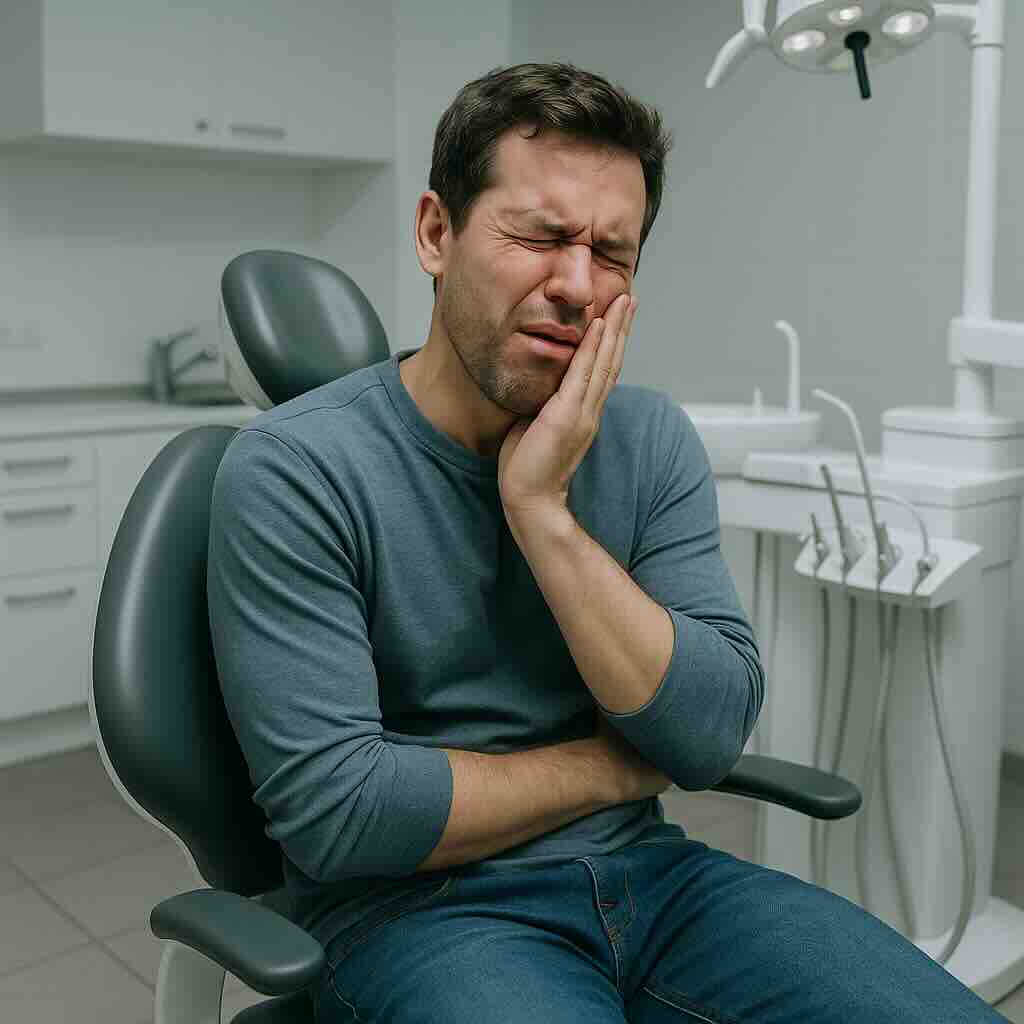
A dental emergency has a way of shrinking your world. A cracked molar at dinner, a child who wakes up with one side of the face swollen, a crown that falls off before a business trip, a hard hit during a weekend soccer game, these situations do not feel like routine healthcare decisions. They feel urgent, uncomfortable, and often expensive. When pain is sharp or swelling is getting worse, people tend to call the first office that answers the phone. Sometimes that works out well. Sometimes it does not.
Choosing a reliable emergency dentist in Plano, TX is less about finding the closest office with a website that says “same-day appointments” and more about finding a practice that handles urgent problems with skill, speed, sound judgment, and clear communication. Reliability shows up in small details that matter under pressure, such as how the front desk triages symptoms, whether the dentist can diagnose the true cause of pain instead of guessing, and whether the office has the equipment and scheduling flexibility to treat you promptly.
Plano has no shortage of dental offices, from solo practices to larger multi-provider clinics. That is a good thing, but it also makes it harder to tell who is prepared for emergencies and who mainly markets convenience. If you know what to look for before something goes wrong, you are far more likely to get timely care and avoid a rough night, an unnecessary ER visit, or treatment that has to be redone later.
What counts as a real dental emergency
People often delay care because they are not sure whether the issue is serious enough. Others panic over a problem that can wait until the next regular appointment. A dependable office helps patients sort that out quickly.
A true dental emergency usually involves severe pain, swelling, bleeding that does not stop, trauma to the teeth or jaw, signs of infection, or damage that leaves a tooth exposed and vulnerable. A knocked-out permanent tooth is time-sensitive, often measured in minutes and hours rather than days. Facial swelling, especially when it affects swallowing or breathing, needs immediate attention and may require urgent medical care beyond a dental office.
Other situations fall into a gray zone. A lost filling may not be life-threatening, but if the tooth is sensitive to air or temperature, waiting several days can turn a manageable repair into a root canal. A broken denture before a major event is not a medical emergency, but it can still require prompt, practical help. Reliability means the office does not treat every situation the same way. They ask the right questions and give advice that matches the actual level of risk.
One of the easiest ways to judge an emergency dentist in Plano, TX is by how the office handles that first phone call. If the person answering can only offer a standard appointment next week without asking about pain level, swelling, trauma, fever, or bleeding, that is not a strong sign. A well-run practice usually has a basic triage process, even if the front desk transfers the call to a clinical team member for more detailed guidance.
Availability matters, but availability alone is not enough
Same-day appointments are useful. Extended hours are useful. Weekend availability is useful. None of those things, by themselves, guarantee good care.
Emergency dentist Plano, TX vitalitydentaldfw.comA practice can advertise emergency dentistry and still be poorly set up to deliver it. I have seen offices squeeze urgent patients into already packed schedules, which sounds generous until you realize the visit is rushed, the exam is incomplete, and the only recommendation is pain medication plus “come back later.” That is not always wrong, because some treatment truly needs a follow-up, but if every emergency patient gets a temporary patch and a vague plan, the office may not be structured for real urgent care.
What you want is an office that can both see you quickly and move efficiently from diagnosis to treatment. If you arrive with a cracked tooth causing severe pain, the team should be able to take appropriate images, test the tooth, explain whether the crack is superficial or deeper, and discuss next steps that same day. Depending on the diagnosis, that could mean smoothing the tooth, placing a temporary restoration, prescribing medication when indicated, starting root canal treatment, or referring you to a specialist with a warm handoff rather than a shrug.
In practical terms, ask how the office handles emergency slots. Some practices reserve time each day for urgent cases. That is often a good sign because it shows the schedule was designed with emergencies in mind. Other offices rely on cancellations or overbooking. You may still get in, but the experience tends to be less predictable.
The best emergency visit starts with the right diagnosis
Pain can mislead people. A patient points to the upper left side and swears one tooth is the problem. The actual issue turns out to be a cracked lower molar, sinus pressure, an abscess draining from another tooth, or clenching-related pain around the jaw joint. In emergencies, accurate diagnosis is everything.
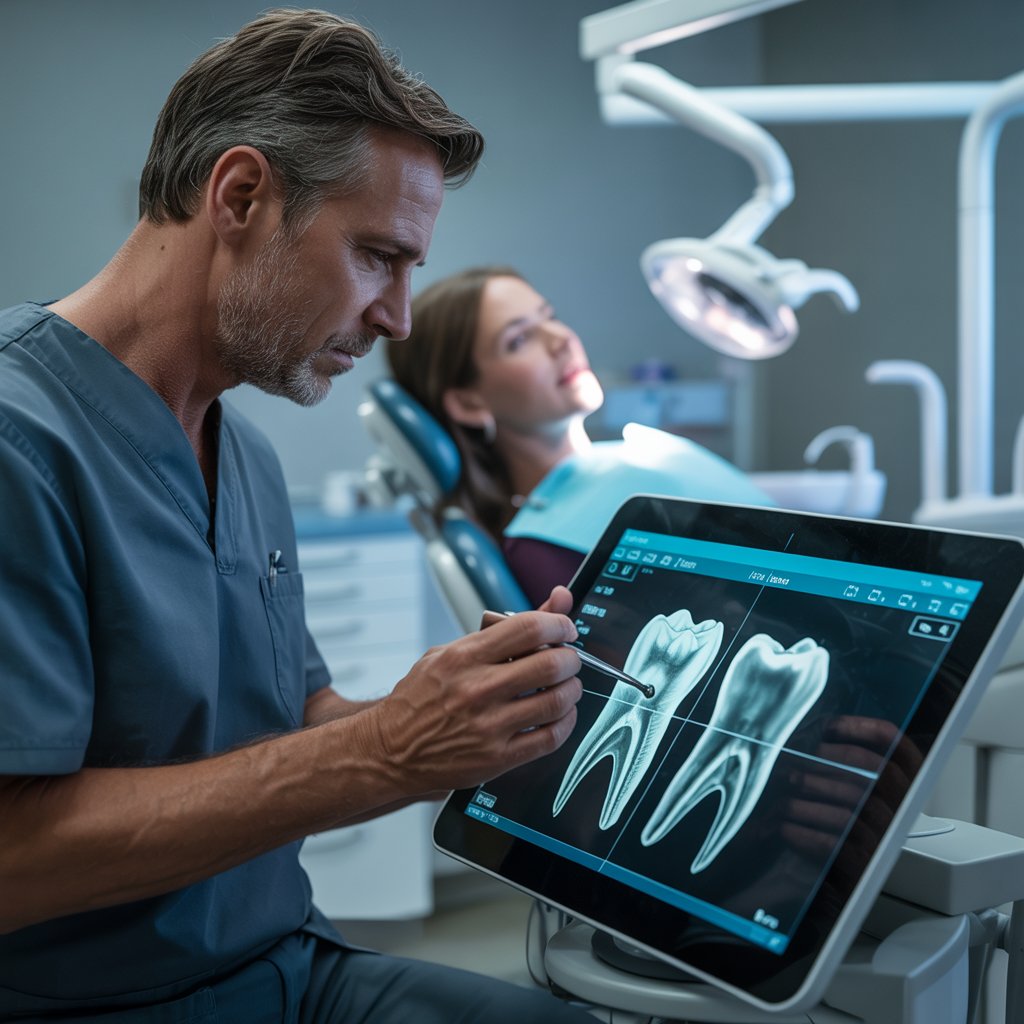
Reliable emergency dentists do not skip the basics just because the situation feels urgent. They listen to the history, ask when the pain started, what triggers it, whether it throbs spontaneously, whether swelling is present, and whether there has been recent dental work or trauma. They test the area, evaluate gums, check the bite, and use imaging that fits the problem. A panoramic image may help after trauma. A small focused radiograph may reveal decay near the nerve or a periapical infection. Some offices also use cone beam imaging for selected cases, which can be useful, though not every emergency needs it.
The point is not fancy technology for its own sake. The point is avoiding guesswork. A dentist who can calmly sort out whether you need a filling, a root canal, an extraction, or immediate referral provides more value than a practice that simply gets you into a chair fast.
That is especially important in situations where symptoms can look similar. A deep cavity, a fractured cusp, a failing root canal, an infected wisdom tooth, and gum infection can all produce significant pain. The treatment path is very different for each one. A reliable office explains the reasoning clearly enough that you understand not just what they recommend, but why.
Experience with urgent cases shows in the small decisions
Emergency dentistry is not a separate specialty in the way orthodontics or oral surgery is, but there is a real difference between a general dentist who is comfortable managing urgent situations and one who is not. That difference often shows up in judgment.
Consider a common example: a patient arrives with swelling near a lower molar, severe pain on biting, and limited opening. An inexperienced approach may focus on antibiotics alone. Sometimes antibiotics are appropriate, but they are not a substitute for addressing the source of the infection. A more experienced clinician explains when medication helps, when drainage or tooth treatment is necessary, and when symptoms suggest the patient should be seen by an oral surgeon or in a hospital setting.
Another example is dental trauma in children and teens. A chipped front tooth may be mostly cosmetic, or it may expose the inner layers of the tooth and threaten long-term vitality. A dentist used to handling these cases will think about timing, pulp health, bite changes, and what can reasonably be done the same day versus what should be monitored over time.
You do not need to interrogate the dentist like a hiring committee, but it is fair to ask how often the office treats emergencies, whether they manage trauma and infections regularly, and what happens if your case needs a specialist. A confident, competent answer usually sounds specific rather than promotional.
Equipment and systems that support emergency care
Most patients never think about an office’s systems until something goes wrong. Yet these details often determine whether urgent treatment runs smoothly.
Digital imaging helps because results are immediate. Sterilization protocols matter because same-day procedures only work when instruments and operatories turn over efficiently and safely. On-site capability for procedures like extractions, temporary crowns, root canal access, or splinting a traumatized tooth can save precious time. Sedation options can also matter, especially for patients who are anxious, in severe pain, or undergoing a more involved emergency procedure.
That does not mean the biggest office is automatically the best. Some smaller practices are exceptionally responsive because the dentist is hands-on, knows the staff well, and keeps a lean, organized workflow. Still, if an office repeatedly tells emergency patients to come in for an exam only and then schedule treatment elsewhere, that is worth noting.
A useful question is whether the office can typically complete at least the first phase of treatment on the same day. The answer will vary by case, of course. A complicated infection or a fractured wisdom tooth may need specialist referral. But a practice prepared for emergencies should be able to relieve pain, stabilize the problem, or start definitive care in many routine urgent scenarios.
Insurance, fees, and financial clarity under pressure
Dental emergencies are stressful enough without billing surprises. Reliable offices know this and tend to be straightforward about costs.
No honest practice can quote every fee before an exam because the treatment depends on the diagnosis. That said, they should be able to explain the emergency exam fee, imaging charges, and the likely cost range for common treatments such as fillings, simple extractions, root canal therapy, or a temporary repair. If they accept your insurance, they should be able to estimate benefits while making it clear that estimates are not guarantees. If they do not accept your plan, they should say so plainly.
Be cautious if the financial discussion feels evasive or oddly aggressive. Emergency care sometimes leads to big decisions, especially when a tooth is badly broken or infected. You should not feel rushed into expensive elective work that goes beyond the immediate issue. A trustworthy dentist separates urgent needs from ideal long-term treatment. For example, if your immediate problem is an abscessed molar, the office should focus first on resolving the infection and discussing whether the tooth can be saved, not turning the visit into a lecture about whitening or veneers.
Plano includes patients with a wide range of insurance plans and budgets, so flexible payment policies can make a difference. Financing options are helpful, but transparency is more important than financing itself. People can handle difficult news better than vague or shifting numbers.
Reviews can help, if you read them like a local
Online reviews are useful, but only when you read past the star rating. A reliable emergency dentist in Plano, TX often gets specific comments about responsiveness, pain relief, bedside manner, and Emergency dentist Plano, TX scheduling speed. Those details matter more than generic praise.
Look for patterns. If multiple reviewers mention that the office saw them the same day for swelling, explained the diagnosis clearly, and followed up afterward, that carries weight. If several reviews complain about long waits despite “emergency” promises, upselling during urgent visits, or poor communication about costs, pay attention. One angry review proves little. Repeated themes usually tell the truth.
Local context matters too. Plano families often juggle school schedules, commuter traffic, and sports activities, so comments about early morning availability, efficient visits, or being able to handle a child’s emergency on a Friday afternoon can be more revealing than polished website copy.
Do not expect every review to be glowing. Dental emergencies involve pain, fear, and unexpected expenses. Even a good practice will sometimes have a patient who is frustrated. What you are looking for is consistency in how the office handles difficult situations.
Signs you have found a dependable office
When patients ask what to check before choosing an emergency provider, I usually suggest a short screening process. It does not need to be elaborate, but it should tell you whether the practice is organized, clinically grounded, and realistic.
- The office asks triage questions about pain, swelling, trauma, bleeding, fever, and timing.
- They can explain when they can see you and what the first visit is likely to include.
- They discuss both immediate relief and what follow-up treatment may be needed.
- Fees, insurance policies, and payment expectations are addressed clearly.
- If a specialist is needed, they can explain the referral path instead of leaving you to figure it out alone.
If an office checks those boxes during a simple phone call or website inquiry, that is a promising sign. If the conversation feels disorganized, scripted, or vague, keep looking.
When a hospital ER makes more sense than a dental office
This is an important distinction, and many people get it wrong in the moment. A dental office is often the right place for tooth pain, broken teeth, lost restorations, localized swelling, and many oral injuries. A hospital emergency room is the right place when the problem involves difficulty breathing, trouble swallowing, uncontrolled bleeding, major facial trauma, high fever with spreading infection, or swelling that is rapidly worsening and affecting the airway.
ER physicians can manage serious infection, pain, and trauma stabilization, but they usually do not provide definitive dental treatment such as root canals, crowns, or routine extractions. That is why a smart emergency dental office will tell you honestly when your symptoms fall outside normal dental care and require immediate medical attention first.
This kind of honesty is part of reliability. A practice that tries to handle everything, regardless of risk, is not necessarily doing you a favor.
How to judge communication during the first call
A five-minute phone conversation reveals more than most people realize. The best offices strike a balance between empathy and efficiency. They do not sound alarmist, but they also do not minimize serious symptoms.
Pay attention to whether they ask follow-up questions instead of reading from a script. If you say, “My cheek is swollen and the pain woke me up last night,” a thoughtful staff member may ask whether the swelling is increasing, whether you have a fever, whether the tooth hurts when you bite, and whether you are having trouble opening your mouth. Those questions are not small talk. They help determine urgency.
Also note whether they give practical instructions. If you have a knocked-out tooth, you should hear advice about handling it by the crown, not the root, and keeping it moist while coming in immediately. If you have significant swelling, they may advise you on what signs mean you should head to urgent medical care instead. These moments separate offices that truly manage emergencies from those that mostly market them.
Children, older adults, and other special cases
Emergency needs are not one-size-fits-all. Parents looking for urgent care for a child should ask whether the office is comfortable treating pediatric emergencies or works closely with a pediatric dentist when needed. A six-year-old with a dental injury has different needs than an adult with a cracked crown. The office environment, communication style, and approach to behavior guidance matter more than people sometimes realize.
Older adults present a different set of challenges. Medications, dry mouth, brittle teeth, existing bridges, dentures, and complex medical histories all affect treatment decisions. A reliable dentist takes those factors seriously, especially if the patient uses blood thinners, has recent cardiac history, or is managing diabetes. These are not reasons to avoid treatment. They are reasons to choose a practice that plans carefully.
There are also patients with intense dental anxiety, sensory sensitivities, or mobility limitations. In those cases, reliability includes accessibility, patience, and realistic pain control options. A technically skilled dentist who cannot communicate with a frightened patient may not be the right emergency provider for that person.
A few smart questions to ask before you need help
If you are choosing a practice ahead of time, keep the questions short and practical. You are not looking for a sales pitch. You are looking for competence.
- Do you reserve same-day time for dental emergencies?
- What kinds of urgent issues do you usually treat in-office?
- If I need a specialist, how do referrals work?
- Can you give me an estimate of exam and X-ray fees?
- What should I do if an emergency happens after hours?
The way the office answers often matters as much as the answer itself. Clear, direct responses usually come from teams that handle these situations regularly.
Why preparation beats panic
The best time to choose an emergency dentist is before you need one. Save the office number in your phone. Check whether they are close to your home, work, or your child’s school. Verify whether they accept your insurance or offer straightforward self-pay options. If a family member has recurring issues such as a cracked old filling, wisdom tooth flare-ups, or a history of abscesses, do not wait for a holiday weekend to figure out your plan.
This matters in Plano because life moves fast here. A long commute, packed family calendar, or out-of-town trip can turn a manageable dental problem into a major disruption if you do not know where to go. People often assume they will “just find someone” when the time comes. Under real pain, that is harder than it sounds.
Reliable emergency dental care is not only about speed. It is about getting seen by a practice that can identify the problem accurately, relieve pain safely, explain your options honestly, and move the case forward without wasted time. When you find that kind of office, you are not just picking a name off a directory. You are building a backup plan that can spare you a great deal of stress when the unexpected happens.
Vitality Dental
1220 Coit Rd # 106, Plano, TX 75075, United States
+1 972-645-4100
FAQ About Emergency dentist Plano, TX
Will the ER do anything for dental pain?
An emergency department can assess urgent symptoms and provide medical stabilization. Definitive treatment of the tooth usually requires a dentist. Seek emergency medical care for breathing or swallowing difficulty, uncontrolled bleeding, or serious facial injury.
What to do if I have a dental emergency in the middle of the night?
Contact a dentist or after-hours dental service promptly for guidance. If a permanent tooth is knocked out, keep it moist in milk while seeking immediate care. If symptoms suggest a medical emergency, go to an emergency department.
What qualifies as a dental emergency?
A knocked-out permanent tooth, severe or persistent tooth pain, a significant dental injury, or swelling may require urgent dental assessment. Call a dentist to describe the symptoms and determine timing. Uncontrolled bleeding or difficulty breathing or swallowing requires emergency medical care.